





Answer first
Quick answer
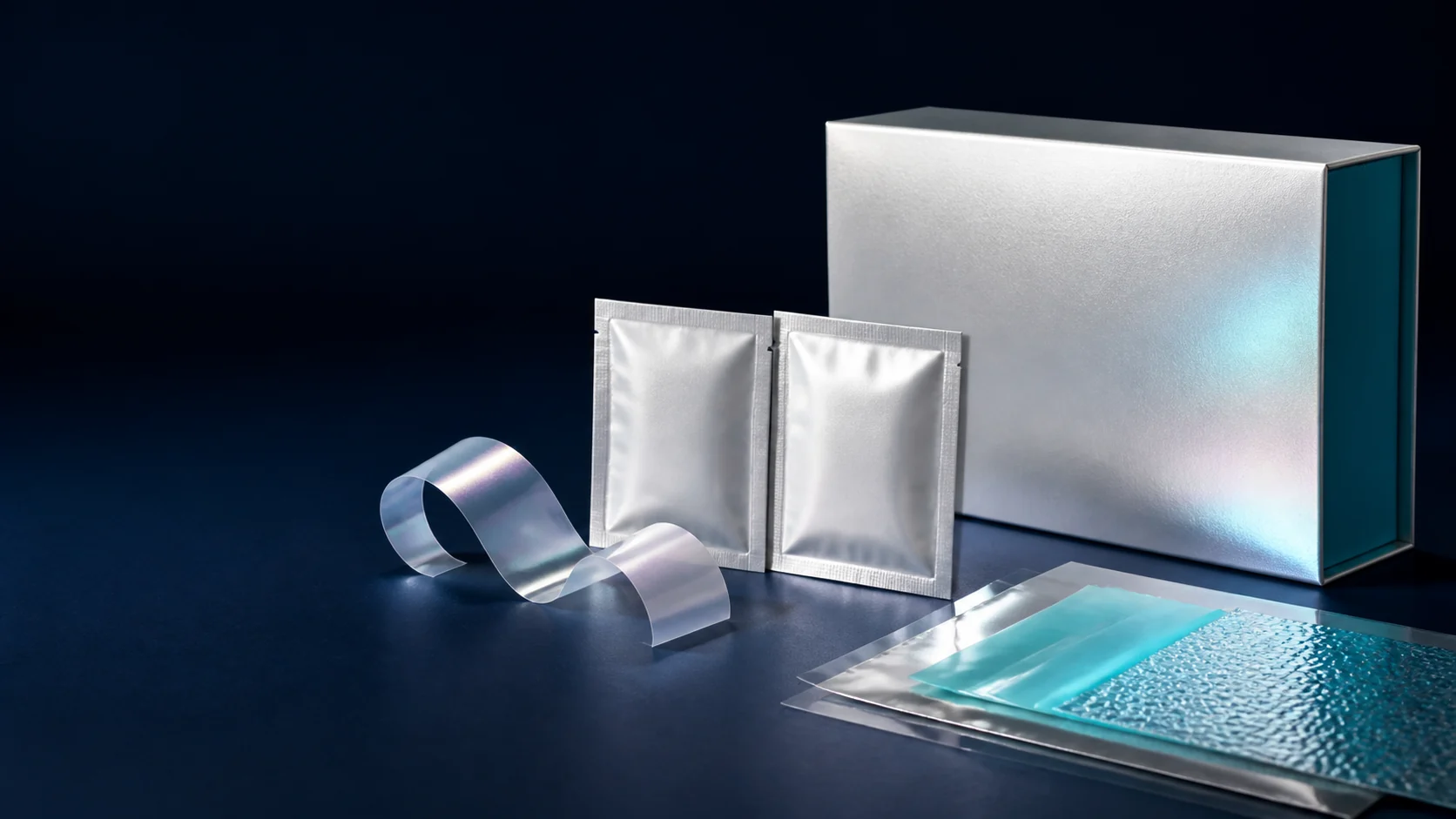
Peptide oral films can be developed as a custom OEM or private-label concept when the formula, film and package are evaluated as one system. The practical starting point is not a catalog promise; it is a project brief covering peptide identity and source, molecular characteristics, target amount, dispersion, sensory profile, film strength and stability. A feasibility review then checks whether the requested materials can be dispersed uniformly, remain stable through forming and drying, deliver acceptable taste and mouthfeel, and stay protected in the chosen unit package. Prototype results guide the achievable specification and commercial route. Peptides differ materially in identity, loading behavior and taste. Feasibility cannot be inferred from the word peptide alone. Final composition, tolerances, test methods, shelf life, regulatory classification and claims must be agreed for the intended sales market before commercial production.
Key project parameters
- peptide identity and source
- molecular characteristics
- target amount
- dispersion
- sensory profile
- film strength and stability
Peptide and related-active oral film platform
This directory translates the submitted ingredient list into a responsible project-intake structure. It separates research-limited materials, regulated drug molecules and adjacent actives because those routes do not share the same evidence, facility, quality or marketing requirements. An ingredient name alone cannot establish human-use suitability or a lawful commercial pathway.
- Exact material identity, salt or complex form and supplier qualification
- Target amount per strip versus realistic film area and thickness
- Assay, impurities, uniformity, degradation and package protection
- Route-specific bioavailability and evidence requirements
- Country-specific classification, authorization, labeling and claims
Candidate oral-film feasibility directory
Each candidate has its own image, target amount and development boundary. The cards are intentionally written as project briefs rather than consumer product advertisements. Where a molecule is regulated, unapproved or investigational, the site offers only a compliance-first intake and technical discussion—not an off-the-shelf private-label product.
 Research feasibility
BPC-157 Oral Film Inquiry
Submitted target: 500 mcg per strip
Intake is limited to identity, source, impurity characterization, legal status and route-specific evidence review. It is not presented as a stocked or generally authorized consumer product.
 Research feasibility
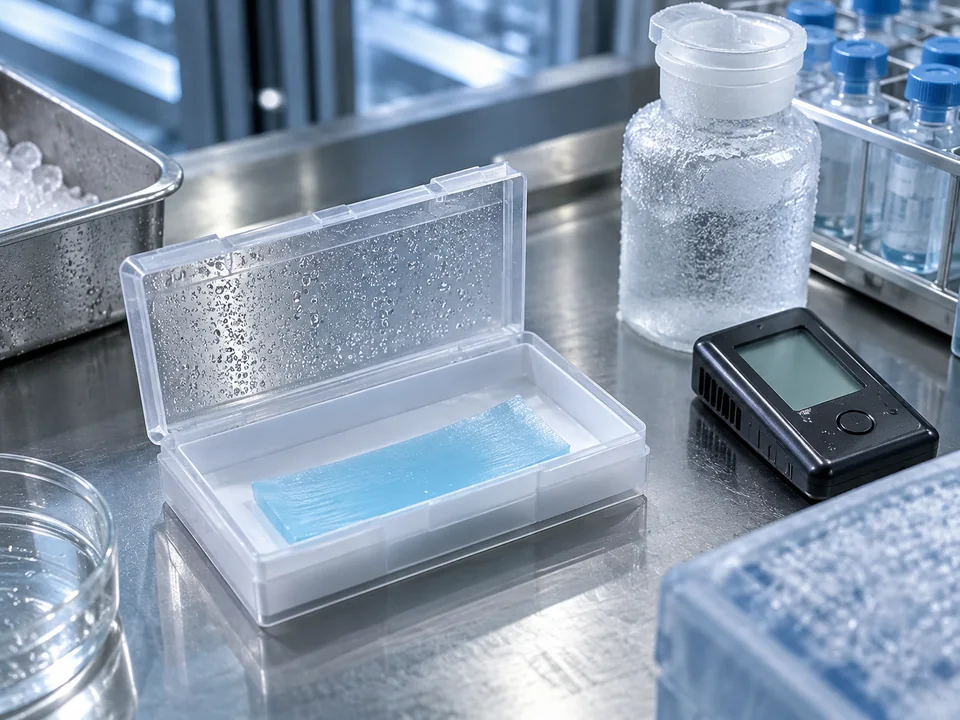
CJC-1295 Oral Film Inquiry
Submitted target: 150 mcg per strip
Review must address exact material form, peptide-related impurities, aggregation risk, stability and the lawful development route. The submitted amount is not an approved oral-film dose.
 Peptide-complex review
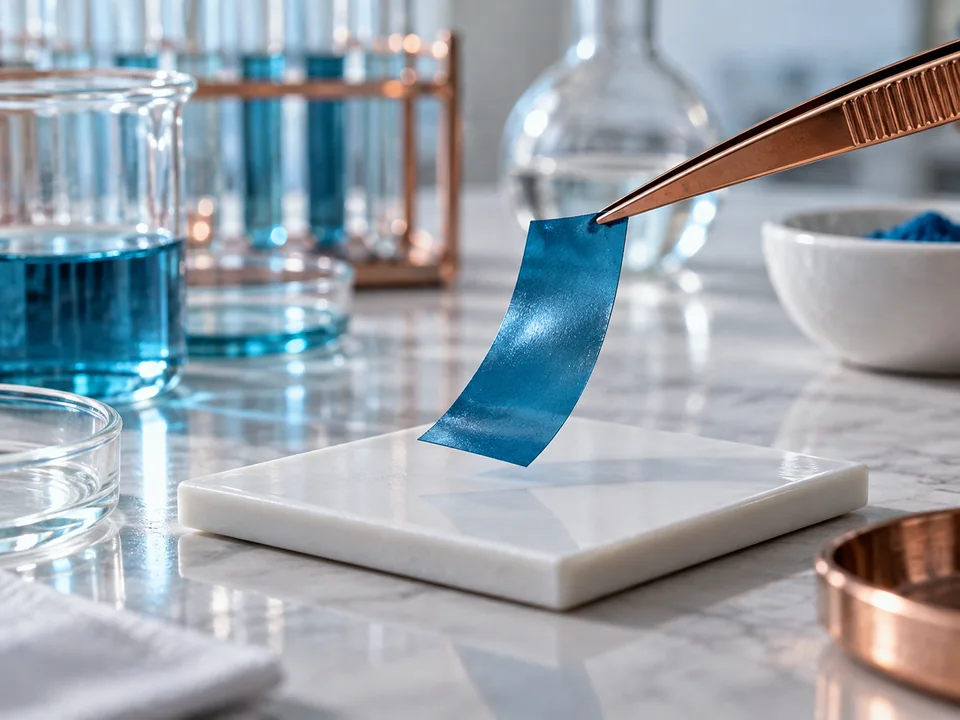
GHK-Cu Oral Film Inquiry
Submitted target: 3 mg per strip
This copper-peptide direction requires review of material identity, oxidation, color, taste, matrix interactions and market classification. Evidence and permitted use can vary by route and country.
 Pharmaceutical pathway
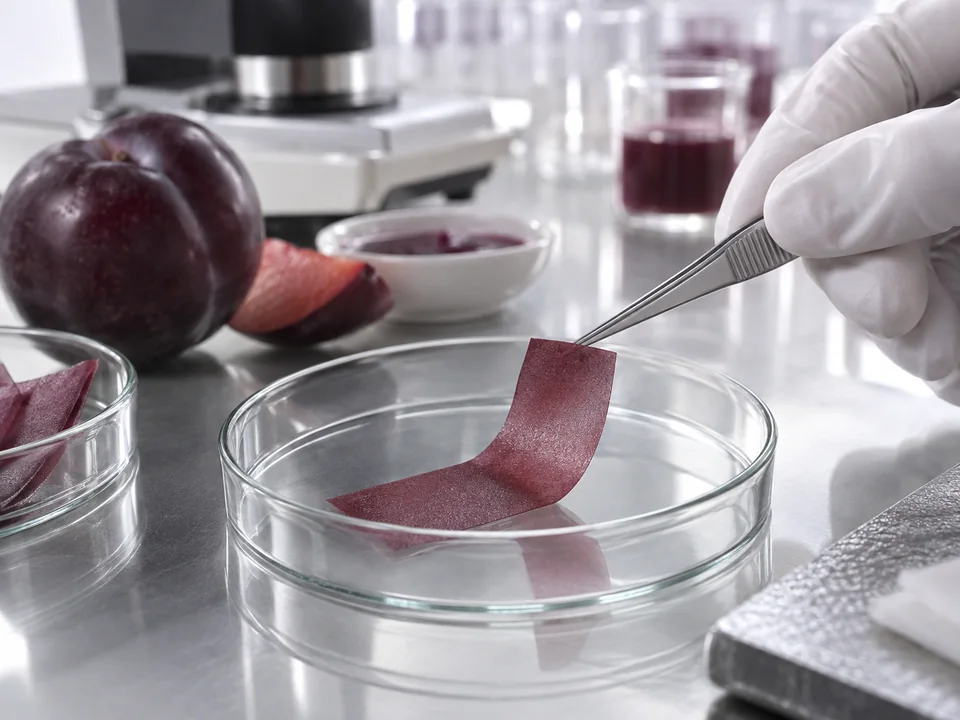
PT-141 Oral Film Inquiry
Submitted target: 2 mg per strip
PT-141, also known as bremelanotide, belongs in a pharmaceutical development pathway. Any oral-film concept requires route-specific evidence, lawful API sourcing and regulatory authorization.
 Adjacent active
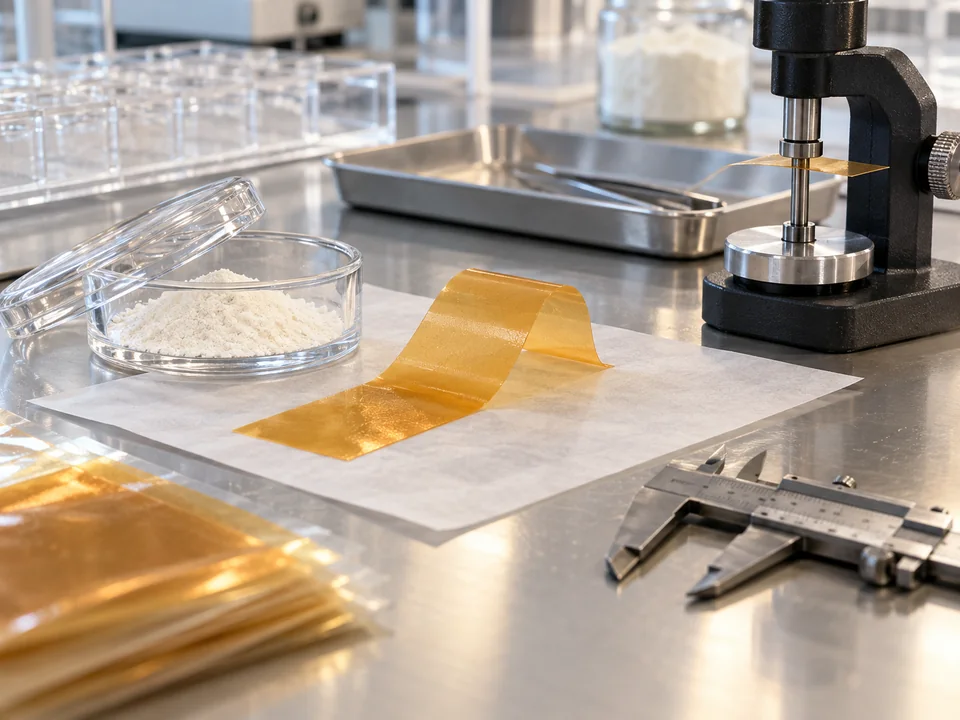
NAD+ Oral Film Inquiry
Submitted target: 100 mg per strip
NAD+ is not a peptide. At the submitted target, practical loading, strip size, thickness, taste, uniformity and moisture stability are primary go/no-go questions before sampling.
 Research feasibility
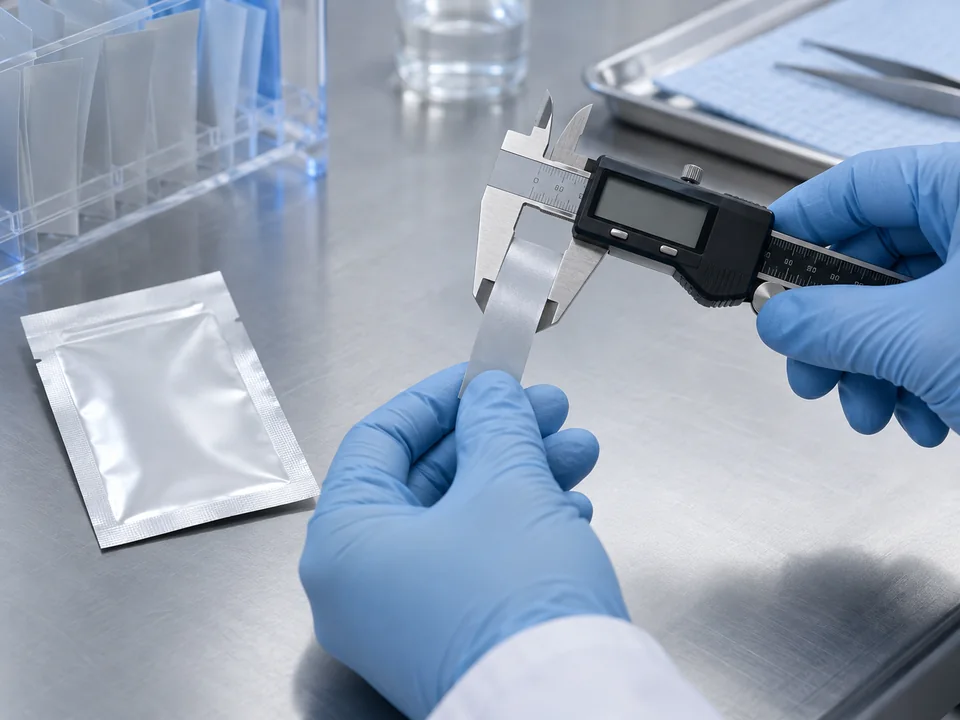
TB-500 Oral Film Inquiry
Submitted target: 500 mcg per strip
The exact substance identity and legal pathway must be established before formulation work. Intake focuses on documentation, peptide characterization and whether development is permitted for the target market.
 Regulated drug pathway
Semaglutide Oral Film Inquiry
Submitted target: 2 mg per strip
This is a prescription-drug development inquiry, not a supplement or standard private-label concept. An oral-film route would require pharmaceutical controls, bioavailability evidence and market authorization.
 Regulated drug pathway
Tirzepatide Oral Film Inquiry
Submitted target: 2 mg per strip
The molecule has regulated prescription-drug uses, but that does not authorize an oral-film version. Development requires a lawful pharmaceutical pathway, qualified API and route-specific evidence.
 Investigational only
Retatrutide Oral Film Inquiry
Submitted target: 2 mg per strip
Retatrutide is treated here as investigational. The site does not present a commercial dosage, approved oral-film product or supplement route; only authorized research or development inquiries can be screened.
 Tripeptide application
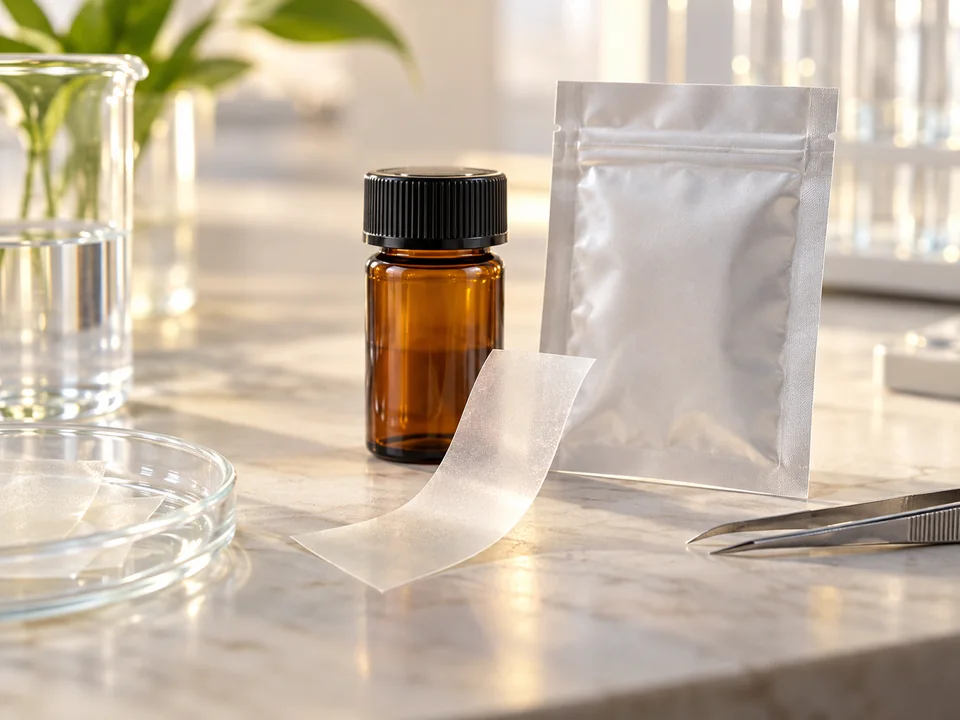
Glutathione Oral Film Inquiry
Submitted target: 100 mg per strip
Feasibility centers on high loading, oxidation control, taste, film strength, uniformity and protective packaging. Permitted use and claims still depend on destination-market classification.
Three development routes—not one product class
The submitted list spans fundamentally different regulatory and technical routes. Grouping them under one marketing promise would be misleading, so the site separates the next step by evidence and authorization needs.
Research-limited screening
BPC-157, CJC-1295 and TB-500 begin with legal-status and safety-document review. Retatrutide remains investigational. These are not displayed as routine private-label products.
Pharmaceutical development
PT-141/bremelanotide, semaglutide and tirzepatide require a pharmaceutical sponsor, qualified API, appropriate facility and route-specific nonclinical, clinical and regulatory strategy.
Material-dependent feasibility
GHK-Cu, NAD+ and glutathione may follow different classifications by use and country. Their projects start with practical loading, stability, sensory and claims review.
Technical evidence needed before a prototype
A peptide or related-active film brief must identify more than a name and nominal amount. The development team needs enough evidence to decide whether a prototype is lawful, technically meaningful and testable.
- Full ingredient identity, sequence or chemical form, supplier and manufacturing origin
- Certificate of analysis, assay method, impurity profile, residual solvents and microbiological limits
- Target country, intended classification, sponsor status and proposed label language
- Per-strip target, daily-use pattern, film dimensions and acceptable thickness
- Stability sensitivities, cold-chain needs, moisture and oxygen barrier expectations
- Required pharmacokinetic, bioavailability, clinical or claim-substantiation program
Regulatory context for responsible project screening
For U.S.-focused briefs, FDA has published safety-risk information for compounded BPC-157, CJC-1295, TB-500 and certain GHK-Cu routes. FDA also warns that unapproved semaglutide and tirzepatide products do not undergo the agency’s premarket review, while claims implying an approved retatrutide product or dosing schedule can be misleading. These references are screening inputs, not a substitute for counsel or a country-specific regulatory opinion.
Frequently asked questions
Are all ten entries ready-made oral film products?
No. They are submitted feasibility targets. Commercial availability can be confirmed only after technical, quality and destination-market review; several require a pharmaceutical or research pathway.
Can semaglutide, tirzepatide or retatrutide be offered as ordinary private-label supplements?
No. Semaglutide and tirzepatide belong to regulated prescription-drug pathways, and retatrutide is treated as investigational. An oral-film project would require the appropriate pharmaceutical sponsor, evidence and authorization.
Does “2 mg per strip” mean the amount is validated?
No. Every amount shown is copied from the submitted project list and labeled as a target for feasibility screening. It is not a recommended dose, approved specification or validated oral-film loading.
Are NAD+ and glutathione both peptides?
No. NAD+ is a coenzyme and is included as an adjacent active. Glutathione is a tripeptide. Their material behavior, classification and evidence requirements differ from larger peptide molecules.
What is the first step for a serious B2B inquiry?
Submit the exact material identity and form, supplier documents, destination market, intended classification, target amount, development sponsor, evidence plan and forecast. The team can then determine whether a lawful feasibility study is appropriate.
Submit a peptide feasibility brief
Send the exact material, target market, proposed pathway and supplier documentation. The first response will identify missing evidence and the appropriate technical or regulatory route.
Last reviewed: . Project parameters remain subject to formula, packaging and target-market review.